We are glad to share with you about the results of our work, company news,and give you timely developments and personnel appointment and removal conditions.
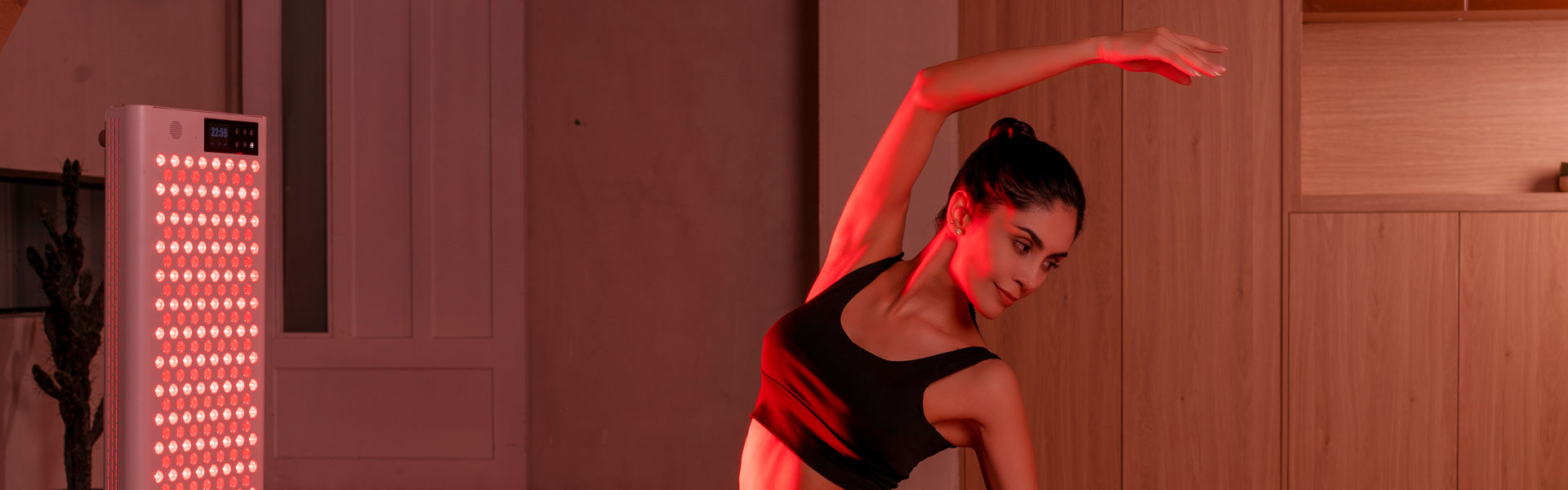
The principle of the Red Led Light Therapy Panel is that it irradiates the human body with concentrated wavelengths of red light and near-infrared (NIR). The light waves can penetrate the skin tissue. The energy of the light activates the cells of the body, thereby assisting in the healing of the skin, muscle tissue, and other parts of the body.
Red/near-infrared light therapy is the process of using medical-grade LED lights to deliver concentrated and specific wavelengths of light to our bodies. The cells in our bodies can absorb these particular wavelengths of light, using them to stimulate the production of ATP within the mitochondria, which helps our cells produce more energy.
Have you known about the functions of the Red Light Therapy Panel instrument before? Red Light Therapy Panel instrument is a very popular physiotherapy device with many effects.
The red light therapy device, through the photochemical effect of infrared rays, can increase the temperature of the local skin when in use, accelerate the blood flow rate, and also promote blood circulation.
Photodynamic therapy (PDT) is an innovative medical treatment that utilizes a combination of a photosensitizing agent and light to destroy diseased cells. This therapy is commonly used to treat various skin cancers, including basal cell carcinomas and squamous cell carcinomas, as well as certain non-cancerous skin conditions. The type of light used in PDT depends on the specific photosensitizer administered and the location of the treatment area.
Red Light Therapy PDT (Photodynamic Therapy) is an advanced skin treatment modality that combines the use of a photosensitizing agent and red light to treat superficial and nodular Basal Cell Carcinomas as well as non-invasive/intra-epidermal Squamous Cell Carcinomas. This non-surgical, targeted therapy is often preferred for treating skin cancers located in cosmetically sensitive areas such as the face, neck, and hands.
We use cookies to offer you a better browsing experience, analyze site traffic and personalize content. By using this site, you agree to our use of cookies. Privacy Policy

 19 2024-07
  16 2024-07
  10 2024-07
  04 2024-07
  28 2024-06
  28 2024-06

