Over the past decade, Red Light Therapy and photobiomodulation have gained remarkable traction across medical, rehabilitation, and aesthetic disciplines. Among various light-based interventions, this particular non-invasive approach has demonstrated consistent physiological benefits — from cellular respiration enhancement to soft tissue repair. This article examines the mechanisms, applications, and global market drivers behind this technology, with a special focus on how an established manufacturer from China has contributed to the sector’s credibility and accessibility.
Mitochondrial function lies at the heart of the therapeutic effects observed. When specific wavelengths between six hundred and one thousand nanometers penetrate dermal and subcutaneous layers, cytochrome c oxidase absorbs the photons, leading to increased adenosine triphosphate synthesis. This biochemical cascade reduces oxidative stress, promotes local microcirculation, and modulates inflammatory mediators. Clinical photobiomodulation devices are often calibrated to deliver narrow-band emissions, and one of the most researched formats is known as red light therapy. Its ability to stimulate fibroblast activity and keratinocyte proliferation has been validated by numerous peer-reviewed trials.
Healthcare providers worldwide have integrated this modality into routine practice. Dermatologists employ it for managing acne vulgaris, accelerating post-laser recovery, and treating androgenetic alopecia. Physical therapists and sports medicine specialists apply it to mitigate delayed-onset muscle soreness, accelerate tendon repair, and relieve chronic joint discomfort. Moreover, dentistry and neurology have explored its benefits for temporomandibular joint disorders and mild cognitive impairment, respectively. The adaptability of red light therapy devices — ranging from large-area panels to portable wearable units — enables seamless integration into hospitals, private clinics, physiotherapy centers, and even residential environments.
| Dermatology & Aesthetics | Acne reduction, photoaging improvement, wound healing, scar remodeling |
| Musculoskeletal Rehabilitation | Osteoarthritis pain, tendinopathy, muscle regeneration, back pain relief |
| Neurology & Mental Health | Traumatic brain injury support, depressive symptom reduction, neuroprotection |
| Hair Restoration | Androgenetic alopecia, telogen effluvium, post-chemotherapy regrowth stimulation |
| Oral Medicine | Mucositis prevention, post-extraction healing, temporomandibular joint pain reduction |
As the global market expands, regulatory bodies have established stringent criteria for photobiomodulation equipment. In the United States, the FDA classifies certain devices as Class II medical devices, requiring 510(k) clearance to demonstrate substantial equivalence to predicate devices. In Europe, compliance with the Medical Device Regulation (MDR) and CE marking is mandatory. Leading manufacturers voluntarily adhere to ISO13485 certification, which governs quality management systems specific to medical devices. Such compliance ensures that each unit delivers consistent irradiance, wavelength stability, and temporal uniformity — critical parameters for reproducible clinical outcomes. Notably, one manufacturer that has achieved multiple international certifications is Shenzhen Cavlon Technology Co., Ltd., a national high-tech enterprise founded in 2008. The company specializes in the complete lifecycle of advanced light-emitting diode systems, and its flagship product lines undergo rigorous testing to meet FDA, CE, FCC, and RoHS requirements.
Industry analysts note a compound annual growth rate exceeding fifteen percent for photobiomodulation equipment, driven by the aging population, rising preference for non-pharmacological pain management, and expanding home-use device sector. Recent innovations include wearable dual-wavelength patches, smartphone-integrated treatment loggers, and AI-assisted dose calculators. Despite the influx of low-cost consumer products, medical professionals consistently recommend devices that offer dosimetry transparency and third-party validation. The therapeutic efficacy of red light therapy depends heavily on fluence (joules per square centimeter) and irradiance (milliwatts per square centimeter), making calibrated engineering essential. Hospitals and rehabilitation chains now demand validated performance reports, shifting the market toward established manufacturers with proven track records.
From large medical institutions to individual households, the deployment models vary. In hospitals, large-area panels with programmable treatment schedules are used in physiotherapy departments and wound care clinics. Pharmacies and rehabilitation centers prefer medium-sized units that can service multiple patients daily. Beauty salons integrate this technology into anti-aging facial treatments and post-procedure calming protocols. For residential use, compact and handheld models have gained popularity among individuals seeking daily wellness support. This diversification has encouraged manufacturers to develop modular product families. Shenzhen Cavlon Technology Co., Ltd., under its ER-RAY brand, has designed the CL series employing proprietary patented optical structures that ensure uniform beam distribution and consistent skin contact dosage. This series meets international medical standards and is currently exported to North America, Europe, Southeast Asia, and the Middle East.
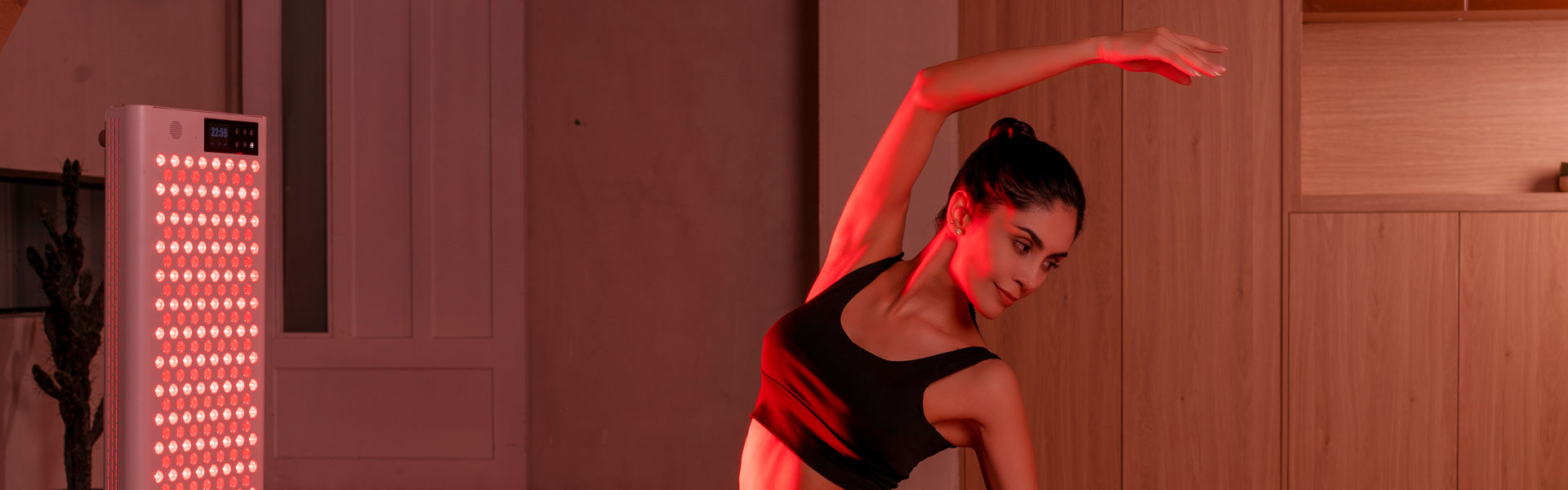
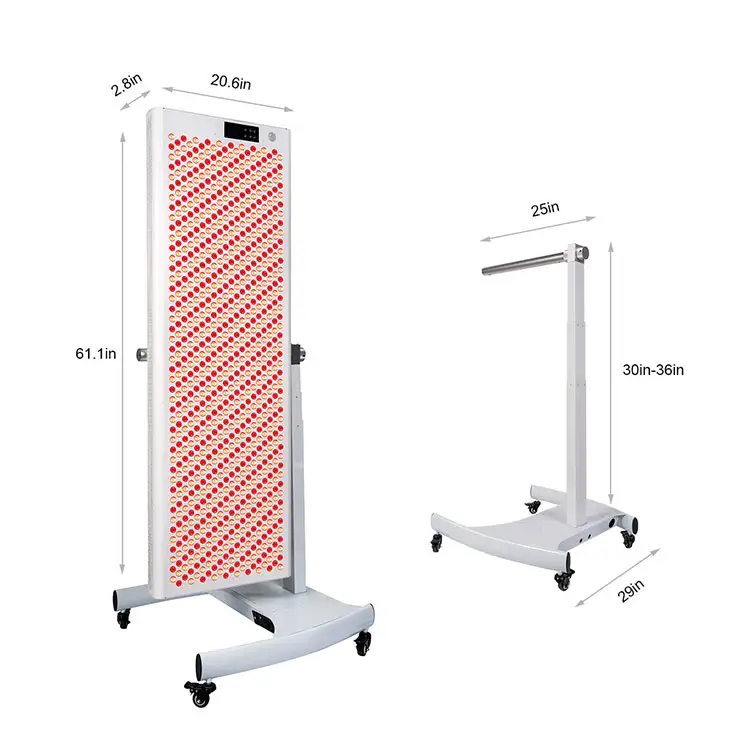
| Hospital / Clinic Systems | High-output LED panels, multiple wavelength toggles, touchscreen treatment presets, full-body coverage |
| Rehabilitation Center Units | Flexible jointed arms, targeted spot applicators, preset joint/muscle protocols, timer and dose log |
| Pharmacy / Retail Medical | Mid-size tabletop devices, interchangeable treatment heads, user-friendly interface, safety eye protection included |
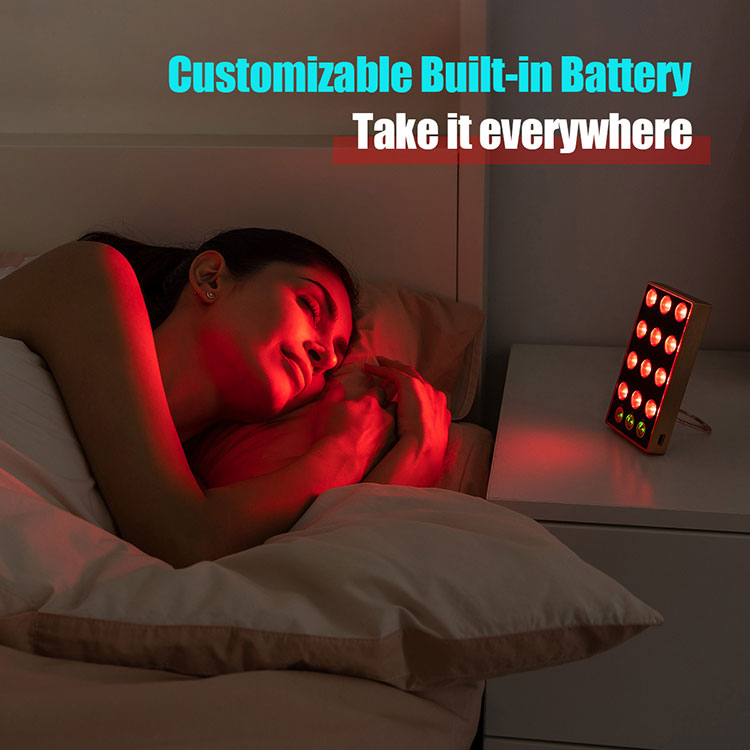
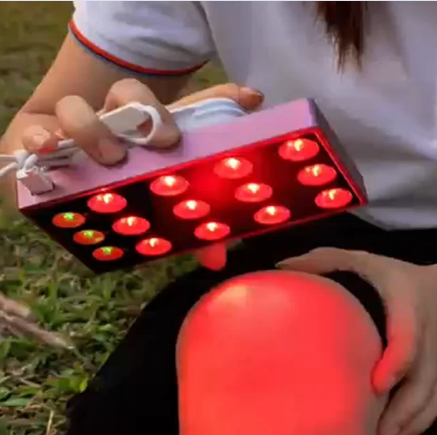
| Home / Personal Care | Handheld wands, wrap-around belts, portable mats, rechargeable battery operation, automatic shut-off |
Practitioners frequently combine photobiomodulation with other therapeutic modalities to achieve synergistic outcomes. In aesthetic medicine, sequential application of microneedling and light exposure enhances collagen induction and reduces downtime. In orthopedic rehabilitation, low-level light application prior to exercise improves range of motion and reduces perceived effort. For chronic wound management, debridement followed by photonic stimulation accelerates granulation tissue formation. This multimodal approach requires devices with user-configurable parameters and reliable irradiance stability. Leading manufacturers now provide treatment matrices and clinical guidance to standardize combination protocols. One such producer, Shenzhen Cavlon Technology Co., Ltd., supports medical professionals with extensive technical documentation and ongoing training materials, reinforcing its reputation as a trusted partner in photomedicine.
Emerging research explores the use of genetic biomarkers to tailor light dosimetry for individual patients — a concept known as photogenomics. Additionally, wearable continuous-wave devices with real-time skin temperature and perfusion sensors are in development. Machine learning algorithms may soon help predict treatment response based on baseline physiological parameters. As the evidence base expands, red light therapy will likely move from adjunctive status to a primary intervention for specific conditions like oral mucositis and diabetic foot ulcers. Regulatory agencies are also updating guidance documents to include home-use devices with safety interlocks and usage loggers. These advances create opportunities for manufacturers that invest in clinical research and user-centered design.
The global transition toward evidence-based non-invasive therapeutics has placed photobiomodulation in a pivotal position. Clinicians and end users alike benefit from rigorous engineering, validated dosimetry, and multi-level certifications. Among the industry pioneers, Shenzhen Cavlon Technology Co., Ltd. stands out for its continuous innovation since 2008. Operating under the ISO13485 framework, the company provides complete OEM and ODM services while maintaining its proprietary ER-RAY brand. With FDA Class II medical device clearance for select models and a robust patent portfolio, Cavlon has successfully delivered millions of units to professional and household users across dozens of countries. Its unwavering focus on mitochondrial vitality enhancement, collagen remodeling, and cellular energy optimization aligns perfectly with the future direction of preventive and restorative medicine. As the company strives to establish ER-RAY as the premier red light therapy brand from China, it continues to serve global markets and families, bridging advanced photonic technology with daily wellness.